Good lighting can completely transform an event. It can make a venue feel bigger, create atmosphere, draw attention to the right places and make a production feel much more professional.
But lighting can also go wrong. We’ve seen plenty of events where a few simple mistakes have made the lighting much less effective than it could have been.
Here are five of the most common lighting mistakes we see — and how to avoid them.
Using Too Much Light
It might seem obvious, but more light doesn’t necessarily mean better lighting.
Filling a room with as much light as possible can actually remove atmosphere and make it difficult to draw attention to the important parts of an event.
For a stage production, for example, you don’t necessarily want every part of the stage lit equally all the time.
Think about what you want the audience to look at and use your lighting to guide their attention.
Sometimes a smaller number of well-positioned fixtures will have a much bigger impact than covering everything in light.
Choosing the Wrong Type of Fixture
Not every light does the same job.
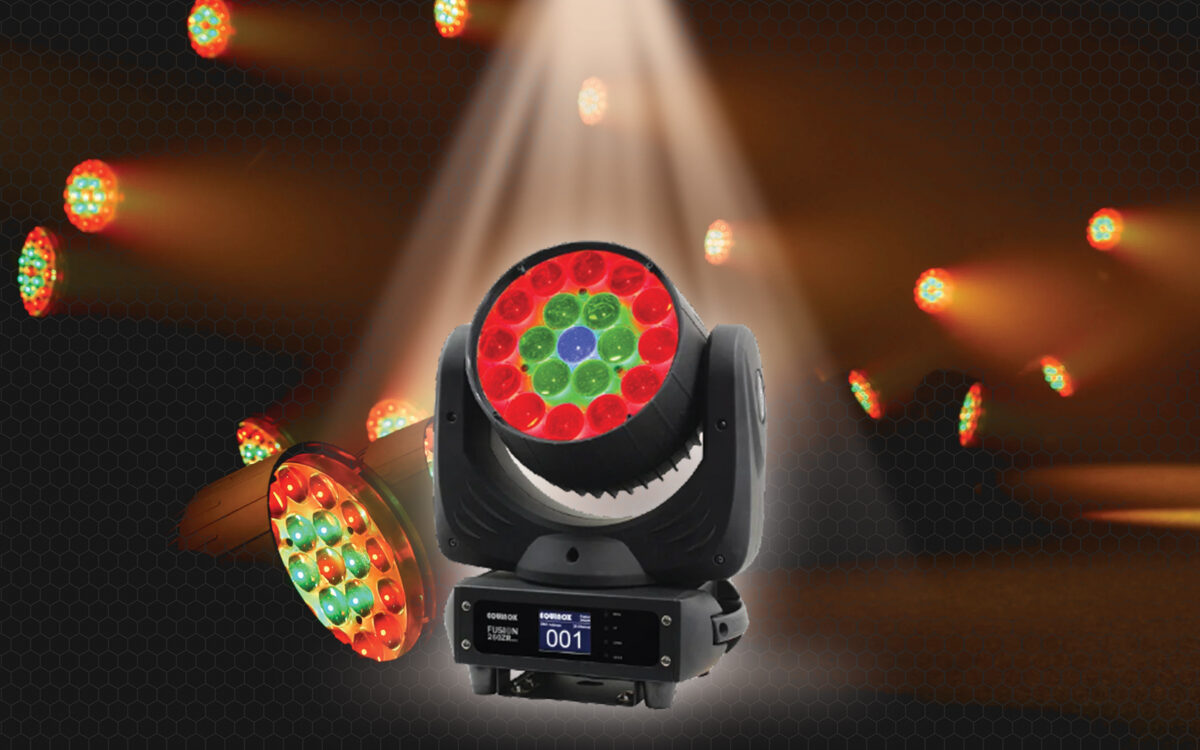
A wash, spot, moving head and uplighter all have different purposes, and choosing the wrong fixture can make your lighting setup much harder to work with.
For example, a moving-head wash can be great for covering a large area with colour, while a spot fixture is better suited to creating a more focused beam or projecting patterns.
Before hiring your lighting, think about what you’re actually trying to achieve.
If you’re not sure, tell us about the event and we’ll help you work out which fixtures are best suited to it.
Forgetting About Positioning
Even the best lighting equipment won’t look great if it’s in the wrong place.
Where you position your fixtures can have a huge effect on the final result.
Think about:
- The height of the fixtures
- The angle they’re pointing from
- Where shadows will fall
- What they’re actually illuminating
- Whether the audience can see the fixtures directly
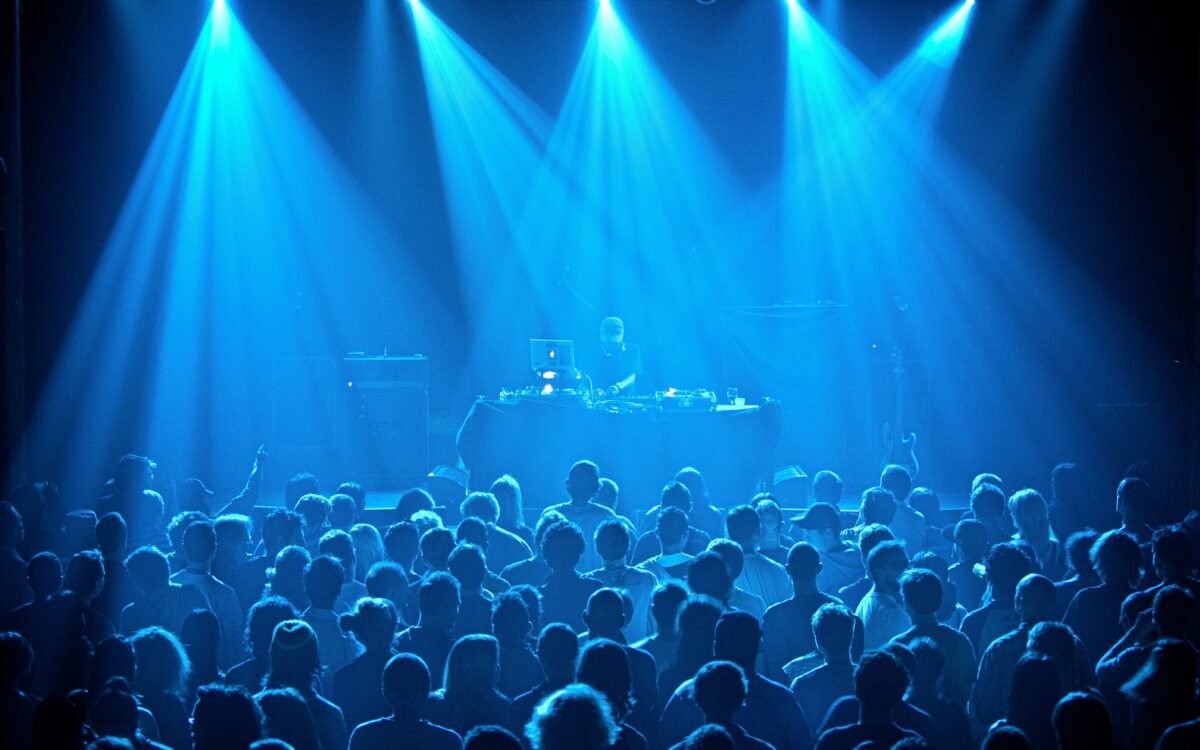
For stage lighting in particular, getting the angle right is important. Lighting from different directions can give performers much more depth than simply pointing everything straight at the stage.
Using Too Many Colours
Colour can completely change the atmosphere of an event, but that doesn’t mean every light needs to be a different colour.
Using lots of colours at once can quickly make a lighting design feel chaotic.
Instead, think about choosing a small palette that suits the event.
A school musical might use different colours to represent different scenes or moods. A corporate event might use the company’s colours. A party might use more dynamic colour changes.
The best lighting designs often use fewer colours than you might expect.
Not Testing the Lighting Before the Event
This is probably the biggest one.
Don’t wait until the audience is walking through the doors to discover that a light is pointing at the wrong part of the stage, a cable isn’t long enough or a fixture isn’t doing what you expected.
Give yourself time to set everything up and test it properly.
Walk around the venue and look at the lighting from the audience’s perspective. Check the stage, seating area, entrances and any important features you’re trying to highlight.
And if you’re using programmed lighting, run through the important cues before the event starts.
A good lighting check can turn “I think that’ll be alright” into “Yep, we’re ready.”
Good Lighting Doesn’t Have to Be Complicated
You don’t need a huge lighting rig to make an event look great.
The key is choosing the right equipment, positioning it properly and having a clear idea of what you’re trying to achieve.
Whether you’re lighting a school production, corporate event, live performance, wedding or party, a little planning goes a long way.
And if you’re not sure what equipment you need, that’s what we’re here for.
Need lighting for your next event?
We provide dry-hire lighting equipment for productions, events, parties, conferences and more.
Tell us what you’re planning, where you’re holding it and what you’re trying to achieve, and we’ll help you put together a lighting package that works for your event.